
Views: 28 Author: Site Editor Publish Time: 2025-12-08 Origin: Site


In construction projects, bridge engineering, and steel structure fabrication, rebar punching machinesplay a crucial role in processing efficiency and product quality. However, with a wide variety of machines available on the market, choosing the wrong model can lead to reduced productivity, increased equipment wear, and even safety risks. Therefore, selecting the right rebar punching machine in a scientific and systematic way is essential.This article provides a comprehensive analysis from working principles, key parameters, application scenarios, and long-term costs to help you make an informed decision.
Rebar punching machines convert power into punching force through hydraulic or mechanical transmission systems. This force is then applied via punches and dies to create holes in steel bars. The process involves the coordination of components such as the punch, die, guide system, and power unit.
In practical applications, the stability of punching force is critical. Insufficient force may result in deformation or incomplete holes, while excessive force can damage the dies or reduce equipment lifespan. Therefore, a well-designed machine must provide both sufficient force and precise control.
Based on driving methods and structure, rebar punching machines are mainly divided into hydraulic and mechanical types.
Hydraulic machines typically provide greater punching force and more stable output, making them suitable for high-strength rebar processing and continuous operations. Mechanical machines, on the other hand, have simpler structures and are more suitable for small to medium-scale applications where ultra-high precision is not required.
Choosing the right type should be based on actual working conditions rather than just price or size.
Before selecting a machine, it is essential to define your specific processing needs, such as rebar diameter range, number of holes, and production frequency. These factors directly determine the required performance level.
For example, large-scale construction projects often require continuous operation, so machines with high durability and good heat dissipation should be prioritized. In smaller or temporary job sites, portability may be more important.
Punching capacity, including maximum hole diameter and applicable rebar size, is one of the most critical performance indicators. Different models vary significantly in this aspect and must be carefully matched to project requirements.
Additionally, the rated pressure and output stability should be evaluated. Stable pressure ensures consistent hole quality and reduces wear on dies, thereby extending equipment lifespan.
The quality of the die directly affects punching accuracy and finished product quality. High-quality machines are usually equipped with precision dies and support quick-change systems for different specifications.
Furthermore, the guiding and positioning systems play a key role in ensuring hole accuracy and minimizing defects such as misalignment or burrs.
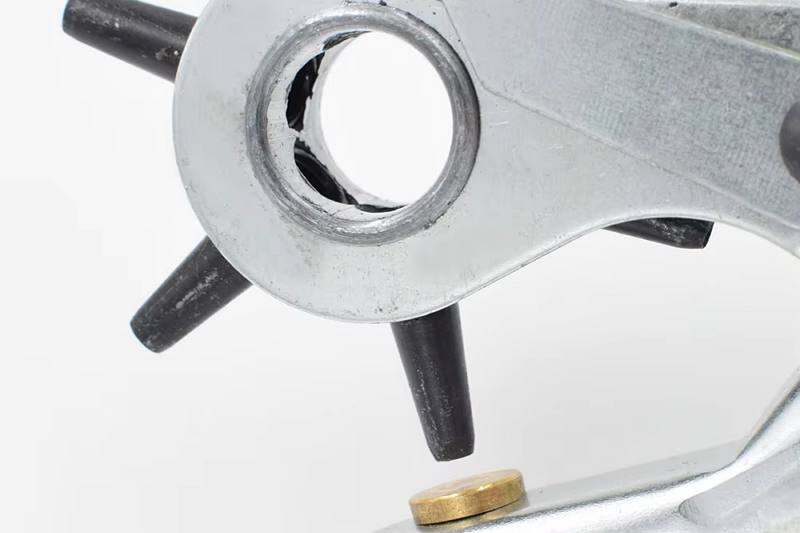
Efficiency is a key factor in modern construction environments. High-performance machines typically offer faster punching speeds and support automatic feeding or continuous operation.
Higher automation reduces manual intervention, which not only improves efficiency but also minimizes human error, resulting in better overall product quality.
The stability of a machine during long working hours is an important indicator of quality. Equipment that frequently fails under high loads can severely impact project timelines.
Therefore, attention should be paid to heat dissipation design, hydraulic system stability, and the durability of key components.
A well-designed machine can significantly improve operational efficiency. Factors such as intuitive controls, responsive systems, and ergonomic structure all contribute to better usability.
In addition, machine weight and structural design affect portability, which is especially important in job sites where frequent relocation is required.
Rebar punching machinesare high-power equipment and must include comprehensive safety features, such as overload protection, emergency stop functions, and protective covers.
These features not only protect operators but also prevent damage to the machine during abnormal conditions.
Wear and tear are inevitable during operation, so ease of maintenance is a key consideration. For example, whether dies can be easily replaced and whether the hydraulic system is easy to service.
Machines that are easy to maintain can reduce downtime and improve overall productivity.
When purchasing equipment, it is important to consider not only the initial cost but also energy consumption, maintenance expenses, and service life.
High-quality machines may have a higher upfront cost, but their reliability and efficiency often result in lower total costs over time.
Some buyers prioritize low prices over performance and quality, which often leads to higher long-term costs.
Different environments, such as high temperatures or dusty conditions, can affect machine performance. Ignoring these factors may shorten equipment lifespan.
Problems may arise during operation, and without reliable after-sales support, production can be disrupted. Therefore, choosing a trustworthy supplier is equally important.
Selecting the right rebar punching machine requires a comprehensive evaluation of processing needs, equipment performance, user experience, and long-term costs. A well-informed choice can significantly improve efficiency, reduce maintenance costs, and enhance overall project quality.
In practice, it is recommended to analyze specific application scenarios in detail and prioritize machines with stable performance and reliable service support to ensure maximum value throughout the equipment’s lifecycle.For more information about machines,you can visit our website:www.odetools.com .Please contact us by karenlee@ode119.com or +8613588299581 if you need.


